

Modern commercial buildings lean heavily on advanced fire safety technologies — smart alarms, automated suppression systems, integrated sensors, and building-monitoring networks that track risk in real time. These tools provide efficient, continuous coverage that reduces the burden on property managers and safety teams. Yet despite all the progress in safety tech, one reality remains: even the most sophisticated system needs maintenance, repairs, upgrades, and inspections. And during those periods — whether scheduled or sudden — businesses face heightened vulnerability.
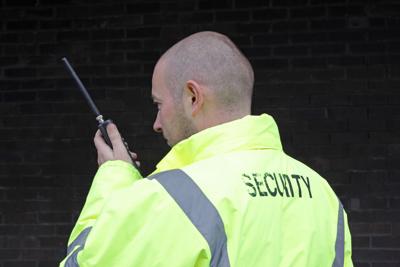
This is where professional fire watch services prove essential. When sprinkler systems are shut down, alarms disconnected, or electrical panels undergoing maintenance, trained fire watch guards step in to provide the human oversight required by fire marshals and local regulations. Companies such as Fast Fire Watch Guards have become an important resource for businesses navigating these temporary gaps.
People are also reading…
This article explores why fire watch services matter in technology-driven buildings, what makes them vital for risk management, and how they support business continuity when high-tech systems are offline.Â
Technology’s Strength — and Its Vulnerability
The adoption of intelligent fire safety systems has transformed the way buildings manage risk. Automated alarms can detect smoke more precisely than older devices. Smart sensors can transmit data to monitoring centers within seconds. Suppression systems activate without human intervention, reducing fire spread dramatically.
Yet even the most advanced system depends on multiple components functioning together. When any part is disrupted—whether due to maintenance, remodeling, or malfunction—the entire building may be deemed non-compliant by fire authorities. Businesses often underestimate how frequently these disruptions occur. Common scenarios include:
- Upgrading outdated alarm panels or communication lines
- Replacing sprinkler piping or pump assemblies
- Conducting hot work during construction or renovation
- Inspecting faulty wiring in fire systems
- Repairing leaks or corrosion in suppression networks
- Testing new system installations
- Damage following storms, electrical surges, or accidents
In each case, full fire protection may not be operational. And when a building’s automated system is impaired, regulations typically require an immediate manual fire watch.
This temporary measure helps ensure that even while technology is down, the building is still being actively monitored for signs of fire or hazardous conditions.Â
Why a Human Fire Watch Is Required During System Downtime
Fire codes, including those shaped by the National Fire Protection Association (NFPA), specify that continuous human patrols must replace automated detection when systems go offline. This is because technology, while efficient, cannot compensate for its own absence.
A professional fire watch guard performs critical on-site tasks:
- Conducting systematic patrols of all designated areas
- Identifying ignition sources before they escalate
- Documenting conditions in detailed, time-stamped logs
- Maintaining communication with property managers
- Initiating emergency response if an incident occurs
- Ensuring occupants can evacuate safely if needed
These tasks require alertness, training, and an understanding of fire behavior and safety protocols. During routine operations, automated systems fulfill these functions quietly. But when technology temporarily steps back, the human layer of protection becomes essential.Â
How Fire Watch Guards Enable Business Continuity
For business owners, shutting down operations due to a fire system outage is rarely an option. Whether managing a hotel, construction project, warehouse, hospital, or commercial complex, most organizations cannot afford prolonged downtime. Fire watch guards serve as a bridge, helping businesses remain compliant without halting operations.
1. Allowing Operations to Continue During Maintenance
When repair teams turn off sprinklers, disconnect alarms, or rewire building panels, the law typically requires continuous monitoring. Fire watch guards enable the business to remain open, protecting revenue and minimizing disruption.
2. Supporting Construction and Renovation Work
Construction sites often require temporary fire watch because hot work — welding, grinding, cutting — can create sparks that may ignite debris, insulation, or unfinished materials. Fire watch guards ensure safety protocols are upheld throughout the process.
3. Meeting Compliance Requirements
Local fire marshals often conduct inspections during or after system failures. Having trained fire watch personnel on site, following mandated protocols, ensures the building remains compliant and avoids shutdown orders.
4. Reducing Liability
A building without proper fire protection is a legal and financial risk. Professional guards not only help prevent incidents but also maintain the documentation needed for insurance purposes.
5. Providing a Trained Human Response
If a fire-related risk develops, a guard can respond immediately — something technology cannot do when offline.
Business continuity depends not just on keeping doors open, but on ensuring a safe environment for employees, tenants, and customers. Fire watch guards play a strategic role in the continuity plan.
The Role of Fast Fire Watch Guards During System Outages
Companies such as Fast Fire Watch Guards have structured their operations to support these transitional periods. Their model is built around rapid deployment, trained personnel, and dependable documentation practices — factors that matter to building managers dealing with time-sensitive risk.
Rapid Response When Systems Fail
System failures are not always predictable. A damaged sprinkler pipe or malfunctioning panel may require immediate shutdown. Many businesses cannot wait days to bring fire watch personnel on-site.
Fast Fire Watch Guards provides 24/7 dispatch, enabling same-day or near-immediate deployment depending on location. This rapid availability minimizes the window of risk.
Training Aligned with Code Requirements
Professional fire watch guards are trained in:
- Hazard recognition
- Evacuation procedures
- NFPA and local fire code
- Documentation and reporting
- Communication protocols with emergency services
This training ensures compliance even during the most complex maintenance tasks.
Documenting Every Step
Fire marshals and inspectors often request detailed logs proving that patrols were conducted at required intervals. Fire watch guards maintain written records that include:
- Patrol times
- Area conditions
- Hazard observations
- Any irregularities detected
These logs serve as compliance evidence and legal protection if needed.
Support for Multiple Sectors
Different industries require different types of fire watch coverage. Fast Fire Watch Guards commonly works with:
- Hotels and resorts
- Retail centers and malls
- Construction sites
- Hospitals and medical facilities
- Warehouses and industrial spaces
- Office buildings
- Maritime operations and ports
Each environment carries unique risks that trained guards are equipped to handle.
Where Technology Ends and Human Oversight Becomes Essential
Business owners often assume their smart systems are fully reliable — and in most cases, they are. But the temporary absence of technology can create a vulnerability that requires human judgment and mobility.
Even state-of-the-art systems depend on:
- Functional wiring
- Clean water flow in pipes
- Uninterrupted electrical supply
- Proper sensor calibration
- Communication lines that aren’t damaged
When any part of this chain breaks, automated protection weakens. A trained guard, on the other hand, can adapt to circumstances in real time. They can investigate odors, noises, temperature changes, smoke sightings, or unusual conditions in a way automation cannot replicate.
This human layer becomes the bridge between system failure and restoration.Â
The Business Case for Professional Fire Watch Services
Fire watch coverage is not simply an obligation — it’s a strategic risk management tool. Businesses that rely solely on technology often overlook the operational risks associated with repairs.
Professional fire watch services help businesses:
- Avoid regulatory shutdowns
- Pass fire marshal inspections
- Maintain accurate compliance logs
- Operate during major renovations
- Reduce liability exposure
- Protect occupants during high-risk periods
When a building’s fire system is offline, risk increases — not just for occupants but for property assets and business continuity. A trained fire watch guard provides reassurance that vulnerabilities are being actively monitored.
Many businesses explore dedicated solutions such as when their automated systems require maintenance or inspection.Â
Conclusion
High-tech fire protection systems have reshaped safety standards in modern commercial buildings. They are efficient, precise, and indispensable. But they also require maintenance, upgrades, repairs, and inspections — times when their functionality is temporarily reduced or unavailable.
During these critical windows, professional fire watch guards become essential. They provide continuous monitoring, compliance documentation, and real-time hazard recognition that technology cannot deliver when offline.
For businesses striving to maintain operations without compromising safety, trained fire watch personnel offer a practical and reliable solution. Whether during routine maintenance or emergency system failures, fire watch guards protect both people and property, ensuring that business continuity remains uninterrupted.