
The brutally frigid weather that has gripped most of America for the past 11 days is not unprecedented. It just feels that way.
During a winter storm on Jan. 25, Pittsburgh bundled up indoors, while penguins at the Pittsburgh Zoo & Aquarium marched into the snow, flapping, sliding and clearly enjoying the wintry scene.
People are also reading…

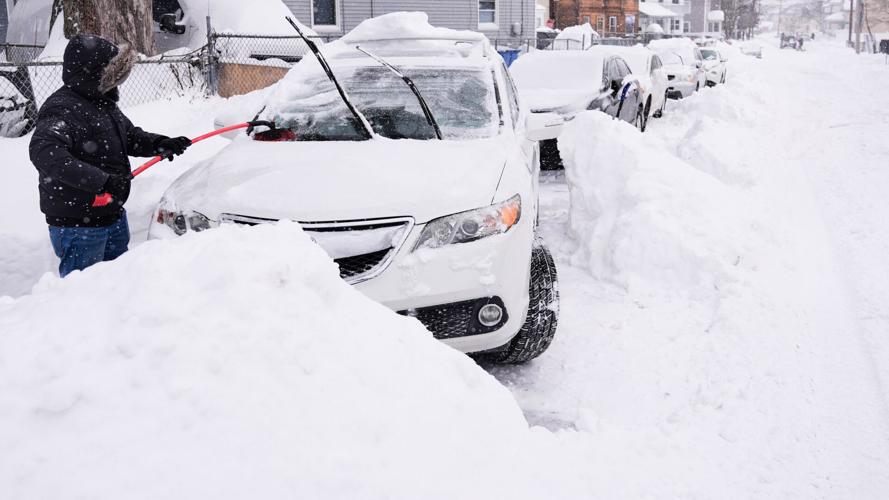
Rafael Tavares digs out his car, which was encased in about 20 inches of snow, during a winter storm on Jan. 26 in Lawrence, Mass.Â

Pedestrians walk down Fifth Avenue during a winter storm on Jan. 25 in New York.Â

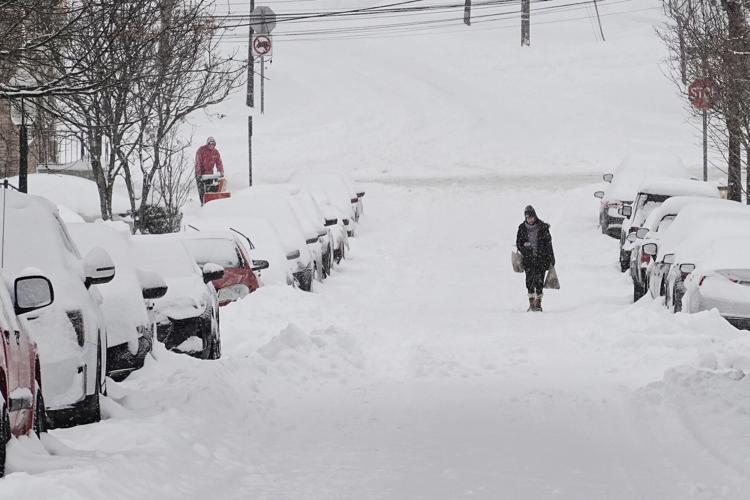
A person carries grocery bags up a residential street during a winter storm on Jan. 25 in Cincinnati.Â

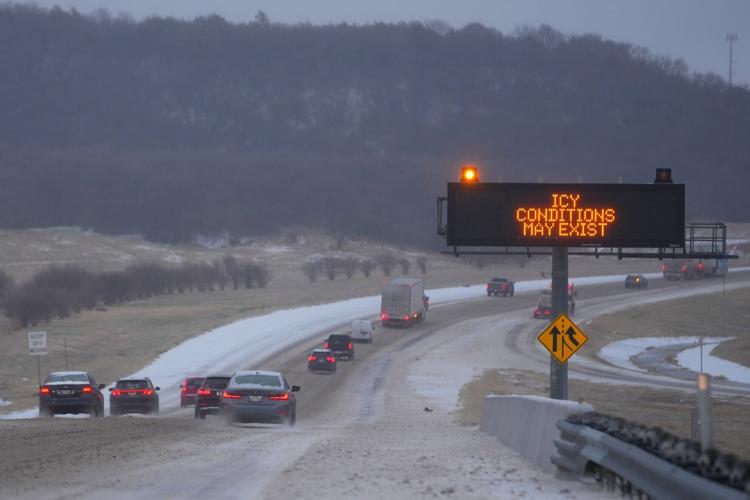
Vehicles travel eastbound on Interstate 20 near a sign advising motorists of icy conditions during a winter storm on Jan. 24 in Dallas.Â

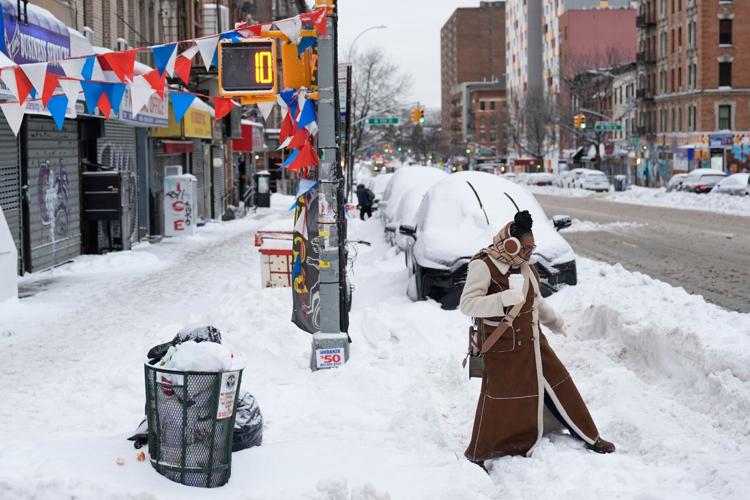
Carrie Hampton tries to navigate a snowy intersection without spilling her coffee in New York on Jan. 26.

A pedestrian crosses the street near Radio City Music Hall during a winter storm on Jan. 25 in New York.Â
5 items you should never leave in a freezing cold car
Medication

Most medications have storage temperature recommendations of  listed on the packaging. That means unless your car is parked in a temperature-controlled garage at all times, it's best to not store medication in your vehicle any time of the year.
Avoiding freezing is especially important for any . Drastic changes in temperature can make some medication ineffective, while others may .
Smartphones and other devices

don't work as well in cold temperatures, but you might notice it most in your smartphone. It's common for phones (or tablets, laptops or other devices) to slow down or shut off entirely if exposed to extremely chilly weather.Â
using your phone only when temperatures are between 32 and 95 degrees (F) and storing devices at temperatures between -4 and 113 (F). If you do happen to leave your phone in the cold or simply use it outside and experience battery failure, it's likely temporary. Batteries should return to normal when brought back to an acceptable temperature. The same in not true, however, for extremely warm temps. to batteries can be permanent.
Canned food

While you don't need to automatically throw away an accidentally frozen canned good, the taking some precautions before eating the item in question. If the can appears swollen, try thawing it in the refrigerator before opening it. This applies only if you're absolutely sure the swelling is because of the cold. If the can swells for other reasons, toss it. If everything — color, texture, smell — appears normal, you're probably in the clear. If anything seems off, get rid of it. And if the seams on the can appear to have rusted or burst, don't risk it.
Eggs

Eggs that are still in their shells shouldn't be frozen. If you accidentally froze some eggs and the shells burst, the you throw them out. If the shells didn't crack, you can thaw them in the refrigerator for later use. Just be warned, the texture will likely be off.
Beer, wine and soda

The best case scenario here is that you have a slightly swollen can of beer or soda. However, you could also end up with a car full of frozen slush — or 38 stitches like one in 2012.
Another outcome is that you have beer, wine or soda (or any carbonated beverage) that doesn't taste very good. Some offer advice on re-fizzing your flat and frozen soda, but it's often a lost cause or just not worth the effort.